Nicaragua
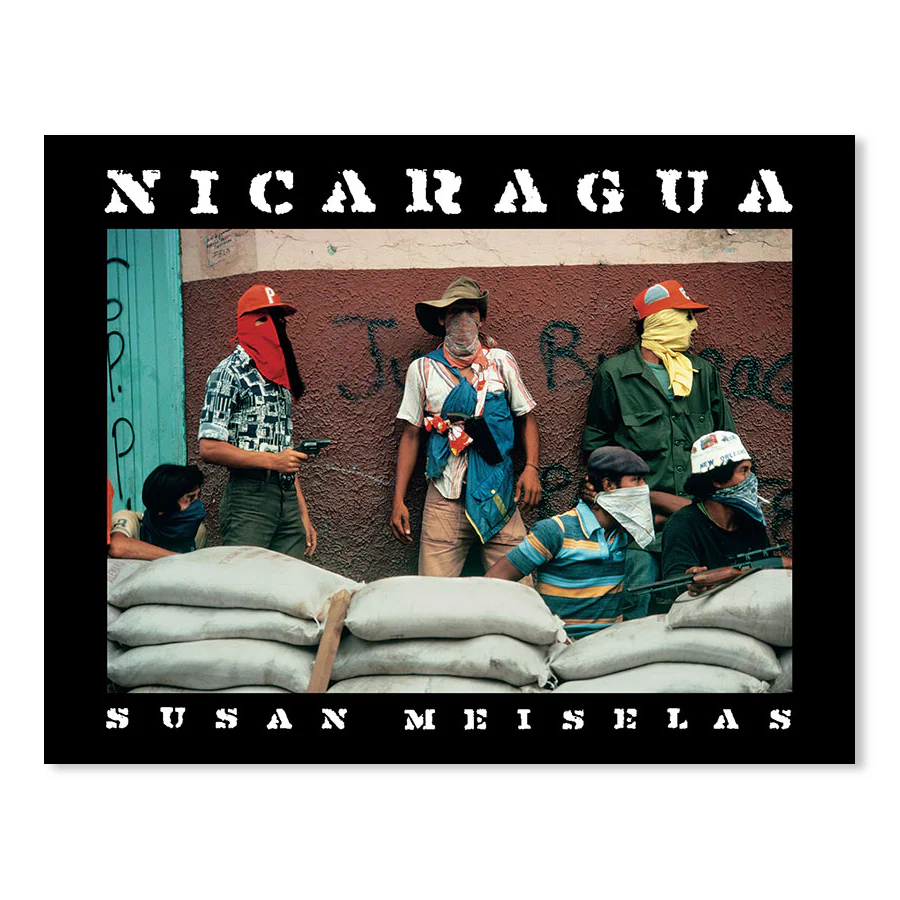
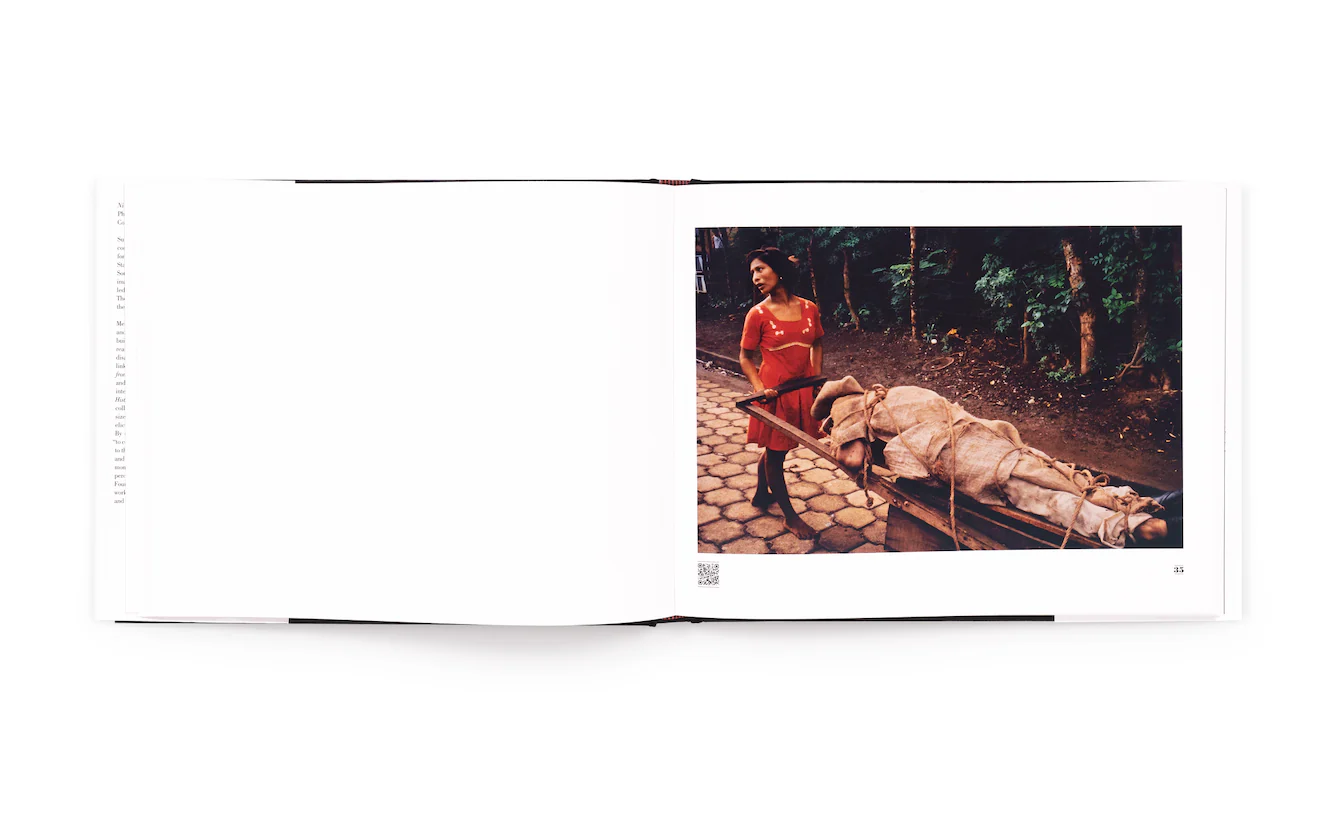
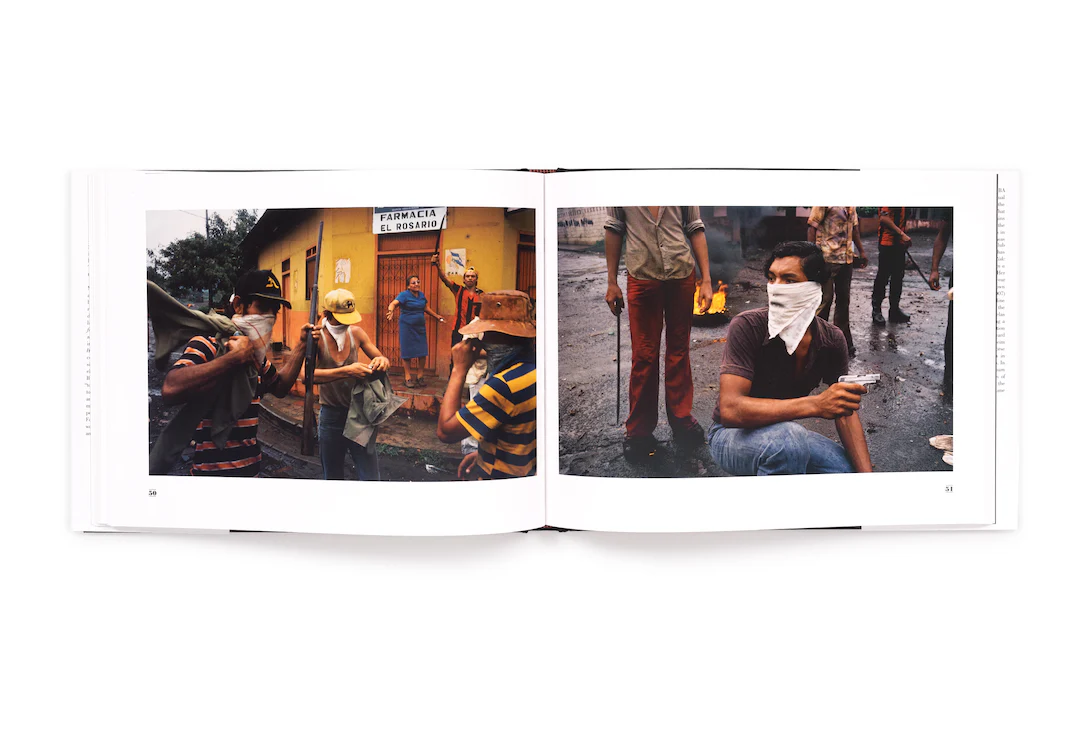
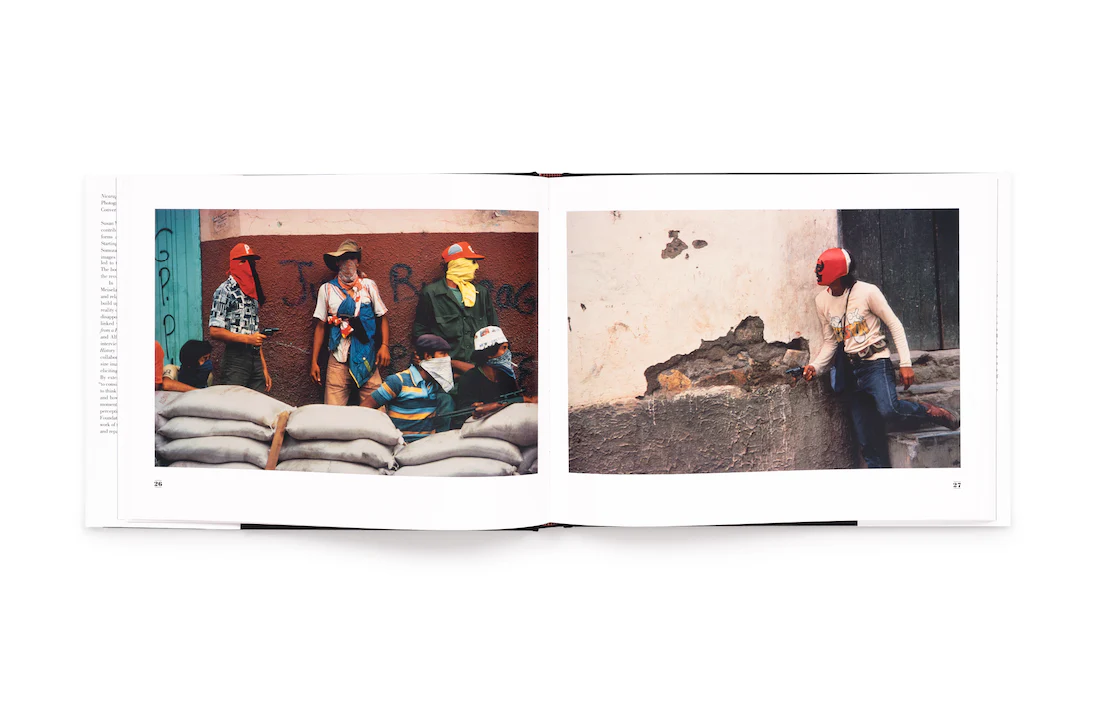
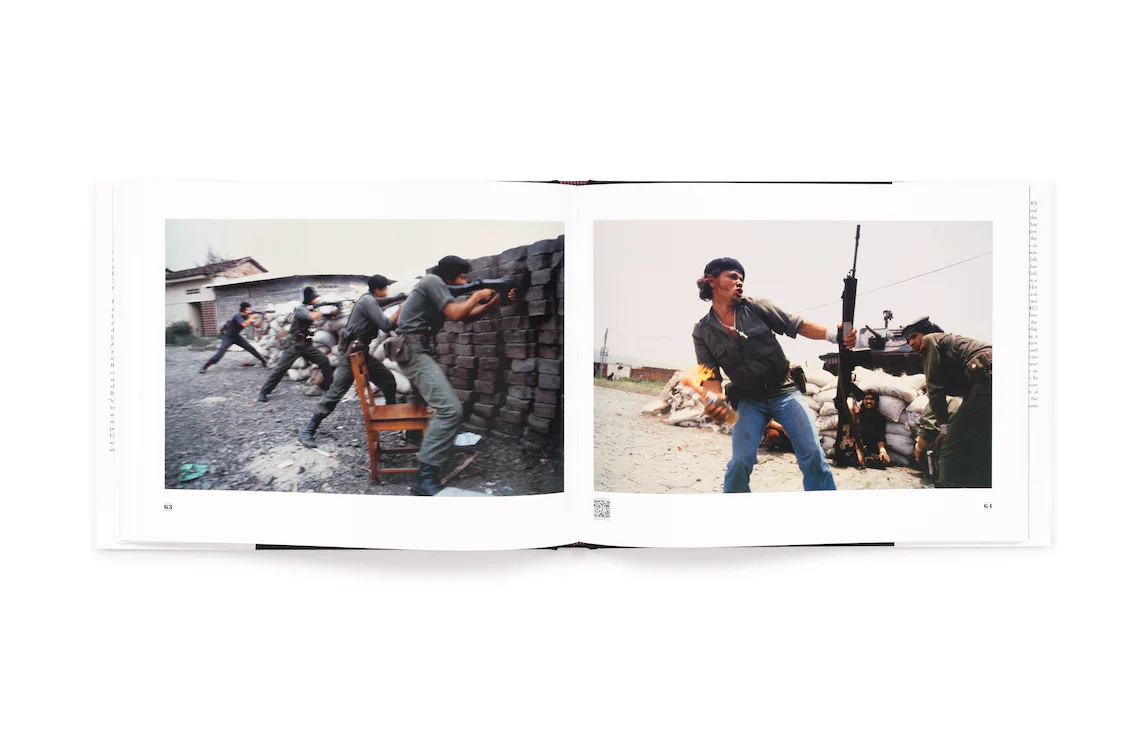
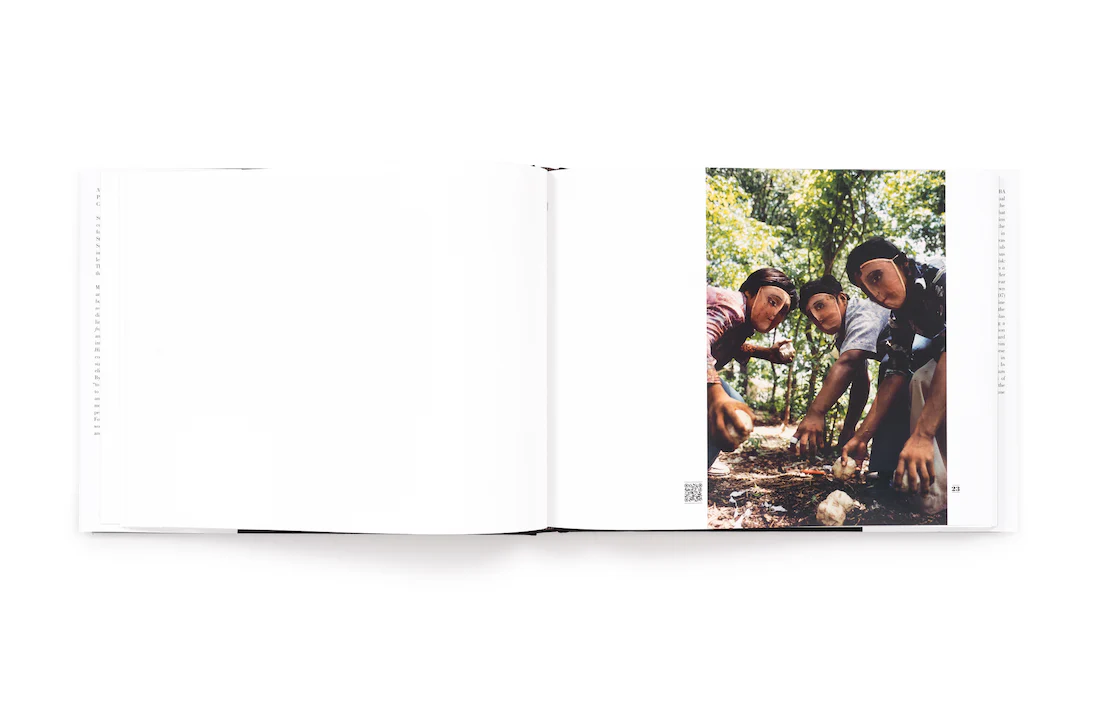
Originally published in 1981, and now in a third edition, Susan Meiselas’s Nicaragua is a contemporary classic—a seminal contribution to the literature of concerned photography. Nicaragua: June 1978–July 1979 forms an extraordinary narrative of a nation in turmoil. Starting with a powerful and chilling evocation of the Somoza regime during its decline in the late 1970s, the images trace the evolution of the popular resistance that led to the triumph of the Sandinista revolution in 1979. The book includes interviews with various participants in the revolution, along with letters, poems, and statistics. In the decades following the original publication, Meiselas has continued to contextualize her photographs and relate them to history as it unfolded. Multiple editions build upon this body of work to evoke and conjure up the reality of people’s lives and aspirations, their victories and disappointments. In this new edition, thirty images are linked via QR codes to excerpts from the films Pictures from a Revolution (1991, codirected with Richard P. Rogers and Alfred Guzzetti) in which Meiselas tracks down and interviews the people she photographed, and Reframing History (2004, codirected with Alfred Guzzetti), her collaboration with local communities in installing mural-sized images in the places where they were originally taken, eliciting the memories and reflections of those passing by. By extending and deepening her work, Meiselas asks us “to consider not only the specific timeframe of this book, but to think about the broader perspective of history unfolding, and how in the passage of time a photograph of a single moment in a person’s life shifts its meanings as well as our perception of it.” An interview with the artist by Magnum Foundation’s director, Kristen Lubben, addresses how the work of this evolving project has been circulated, revisited, and repatriated—and how and why it endures.
Original: $60.00
-65%$60.00
$21.00Product Information
Product Information
Shipping & Returns
Shipping & Returns
Description
Originally published in 1981, and now in a third edition, Susan Meiselas’s Nicaragua is a contemporary classic—a seminal contribution to the literature of concerned photography. Nicaragua: June 1978–July 1979 forms an extraordinary narrative of a nation in turmoil. Starting with a powerful and chilling evocation of the Somoza regime during its decline in the late 1970s, the images trace the evolution of the popular resistance that led to the triumph of the Sandinista revolution in 1979. The book includes interviews with various participants in the revolution, along with letters, poems, and statistics. In the decades following the original publication, Meiselas has continued to contextualize her photographs and relate them to history as it unfolded. Multiple editions build upon this body of work to evoke and conjure up the reality of people’s lives and aspirations, their victories and disappointments. In this new edition, thirty images are linked via QR codes to excerpts from the films Pictures from a Revolution (1991, codirected with Richard P. Rogers and Alfred Guzzetti) in which Meiselas tracks down and interviews the people she photographed, and Reframing History (2004, codirected with Alfred Guzzetti), her collaboration with local communities in installing mural-sized images in the places where they were originally taken, eliciting the memories and reflections of those passing by. By extending and deepening her work, Meiselas asks us “to consider not only the specific timeframe of this book, but to think about the broader perspective of history unfolding, and how in the passage of time a photograph of a single moment in a person’s life shifts its meanings as well as our perception of it.” An interview with the artist by Magnum Foundation’s director, Kristen Lubben, addresses how the work of this evolving project has been circulated, revisited, and repatriated—and how and why it endures.